The Metaverse: Redefining the Digital Frontier
In recent years, a new buzzword has captured the imagination of tech enthusiasts, businesses, and futurists alike: the Metaverse. Once confined to the pages of science fiction, this concept is rapidly evolving into a transformative digital reality. But what exactly is the Metaverse, and why is it being hailed as the next big leap in technology? Let’s dive into the world of virtual universes and discover what makes the Metaverse so fascinating.
What is the Metaverse?
At its core, the Metaverse is a shared, immersive digital space where people can interact in real-time through avatars. Think of it as a vast, interconnected web of virtual worlds powered by augmented reality (AR), virtual reality (VR), and advanced internet technologies. Unlike traditional digital experiences confined to screens, the Metaverse promises to merge the physical and digital worlds seamlessly.
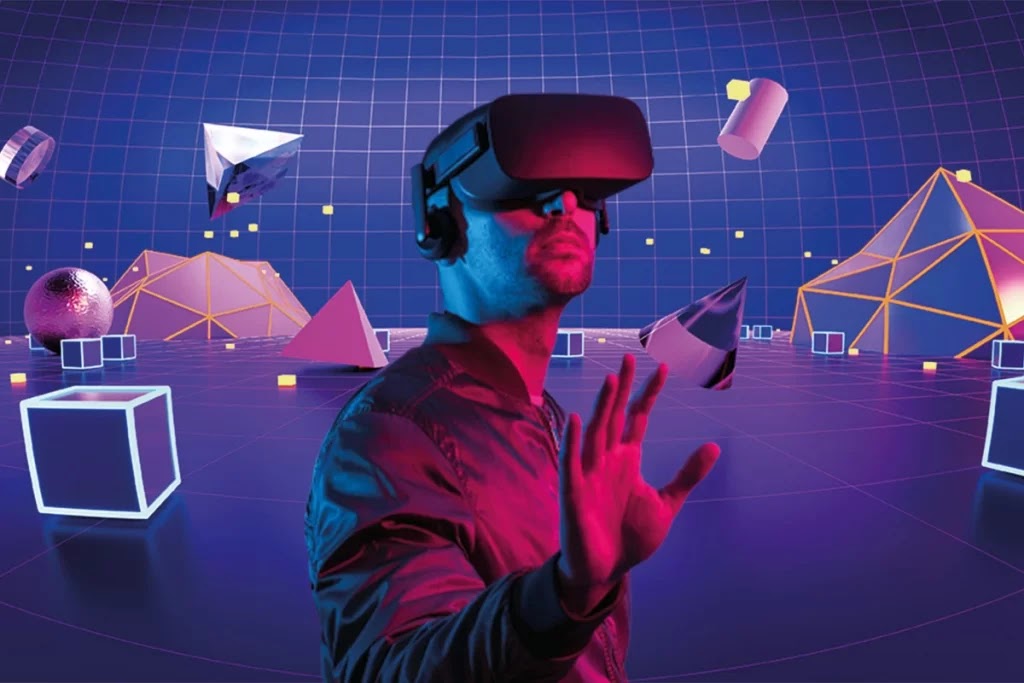
Key Features of the Metaverse
-
Immersive Environments:
Using VR and AR, the Metaverse creates lifelike digital spaces, from sprawling cities to lush forests, that users can explore as if they were physically present. -
Real-Time Interaction:
Just like in the physical world, the Metaverse supports real-time communication, making social interactions more dynamic and engaging. -
Interoperability:
A true Metaverse allows users to move assets and identities across platforms, breaking down silos between apps, games, and systems. -
Economic Opportunities:
The Metaverse has its own thriving economy, complete with virtual currencies, marketplaces, and even jobs.
Applications of the Metaverse
The possibilities within the Metaverse extend far beyond gaming and entertainment. Here are some areas being revolutionized:
-
Gaming and Social Experiences:
Platforms like Roblox and Fortnite are already giving users a taste of the Metaverse with expansive worlds where people can play, socialize, and create. -
Work and Collaboration:
Imagine attending a virtual office in the Metaverse, where you can collaborate with colleagues through holograms or 3D models. Tech giants like Meta and Microsoft are working on solutions like Horizon Workrooms and Mesh to make this a reality. -
Education and Training:
The Metaverse is transforming education by creating immersive classrooms where students can interact with historical events, molecular structures, or distant galaxies. -
E-Commerce:
Virtual storefronts in the Metaverse allow users to try on clothes, customize products, and shop in 3D environments, elevating online shopping experiences.
Challenges Ahead
While the Metaverse holds incredible promise, its development comes with hurdles:
-
Technical Barriers:
Building a cohesive, scalable Metaverse requires immense computing power, fast networks, and advanced hardware like VR headsets. -
Privacy and Security:
With immersive interactions come concerns about data privacy, identity theft, and digital security. -
Accessibility:
Ensuring that the Metaverse is inclusive and accessible to all, regardless of geographic or economic barriers, is critical. -
Regulation:
Governments and organizations are still grappling with how to regulate a space as vast and undefined as the Metaverse.
The Future of the Metaverse

While we’re still in the early stages of this digital revolution, the Metaverse is poised to redefine how we live, work, and play. Experts predict that its impact will be as significant as the advent of the internet, unlocking new industries and reshaping existing ones.
For brands, creators, and individuals, the Metaverse is a frontier of endless possibilities—a space where imagination meets technology. Whether it’s crafting immersive customer experiences, building digital identities, or pioneering new forms of art, the Metaverse invites us all to dream bigger.
Conclusion
The Metaverse isn’t just a technological concept; it’s a vision for the future. At Tech Sphere, we’re excited to explore and contribute to this evolving space. As the Metaverse continues to grow, it offers a unique opportunity to create a digital universe that’s more inclusive, innovative, and interactive than ever before.
Are you ready to step into the Metaverse? The future is waiting—one virtual world at a time.
This content is for you, enjoy it
ReplyDelete